What the Iran conflict means for oil and shipping prices
A practical look at how renewed tensions involving Iran are affecting oil prices, shipping routes and freight costs, and what that means for global inflation and Australian small businesses.

Hamish Torney
Founder
Small Business
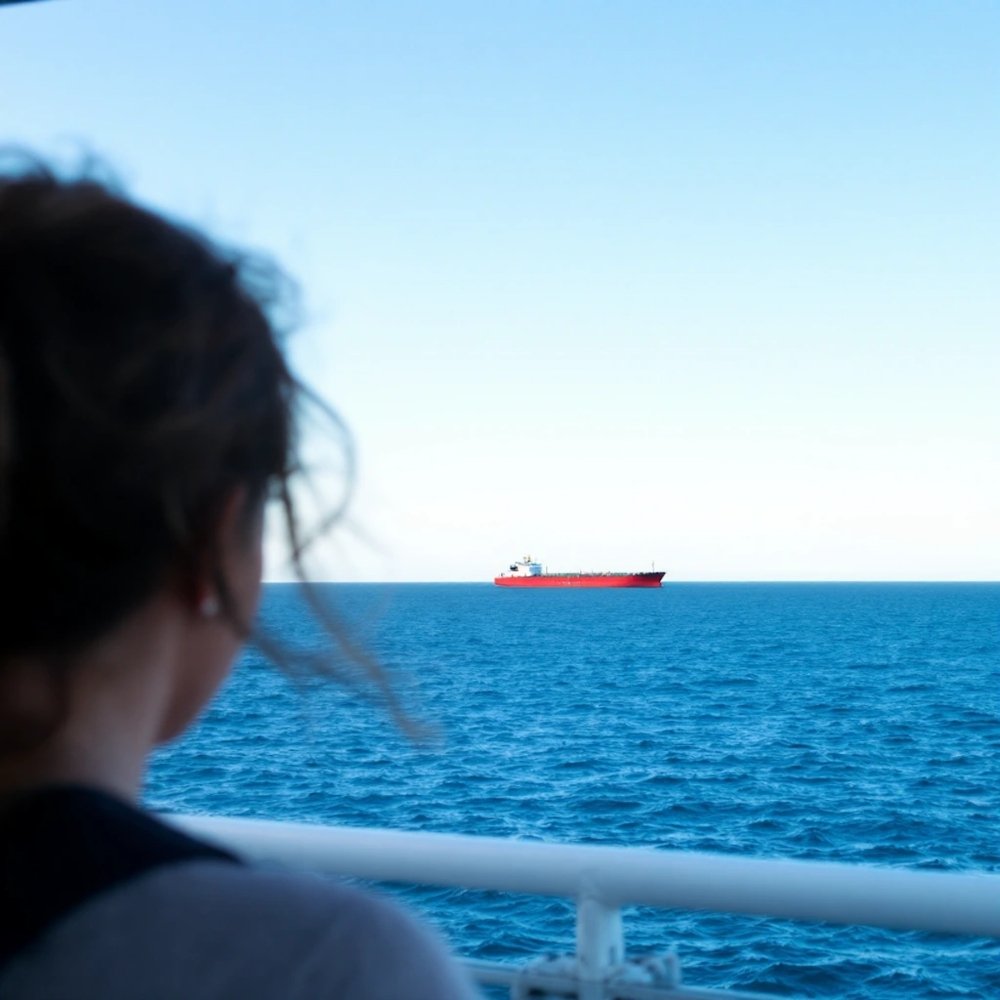
Oil markets do not wait for wars to start
Oil prices rarely move because of what has already happened. They move because of what markets fear could happen next.
In light of recent events, renewed conflict involving Iran and escalating tensions across the Middle East have pushed energy markets back into risk mode. Traders are not simply reacting to immediate supply disruptions. They are pricing in the possibility of something larger: disruption to shipping lanes, retaliatory strikes on infrastructure, or instability in the Strait of Hormuz, through which roughly a fifth of global oil supply passes.
Even without a full-scale supply shock, the mere risk of disruption can lift crude prices, raise insurance premiums on tankers, and alter freight patterns. That is how geopolitical tension becomes an economic story long before a single barrel of oil is lost.
For Australian businesses, the key question is not whether Australia imports directly from Iran. It is how global oil pricing flows through transport costs, inflation expectations and interest rate decisions.
Why the Strait of Hormuz matters to everyone
The Strait of Hormuz is a narrow waterway between Iran and Oman that connects the Persian Gulf to global markets. A significant share of the world’s crude oil and liquefied natural gas exports pass through it daily.
When tensions involving Iran rise, three market reactions typically occur:
Oil futures prices rise due to supply risk
Shipping insurance premiums increase
Freight routes are reassessed for safety
Even if the strait remains open, higher risk premiums can be enough to push benchmark oil prices up by several dollars per barrel. That change feeds quickly into refined fuel markets.
Australia imports a substantial portion of its refined fuel. This means global oil price movements transmit relatively directly into local petrol and diesel prices, often with only a short lag.
The transport cost chain reaction
Oil price increases do not affect businesses evenly. The first-order impact is felt in sectors directly exposed to fuel costs:
Road freight and logistics
Aviation
Maritime shipping
Agriculture
Construction
Diesel prices are particularly important in Australia, where road freight dominates domestic supply chains. When diesel rises, freight operators either absorb margin compression or pass costs downstream. Over time, those increases filter through to wholesalers and retailers.
The second-order impact is broader. Rising fuel costs affect:
Food distribution
Imported goods pricing
Packaging and plastics (petrochemical inputs)
Air cargo costs
Regional service businesses reliant on travel
For small businesses operating on tight margins, even modest freight increases can change pricing strategy decisions.
Shipping routes and insurance: the hidden multiplier
Recent tensions have also revived concerns about Red Sea shipping disruptions and tanker security in the Gulf region. When vessels are rerouted around conflict zones, shipping times increase. Longer routes mean:
Higher fuel consumption
Higher crew and charter costs
Delayed inventory turnover
At the same time, war risk insurance premiums can spike for ships transiting high-risk areas. Even if these increases are temporary, they can compound the impact of higher crude oil prices.
The result is a multiplier effect. Oil rises, insurance rises, routes lengthen, freight costs rise again.
For Australian importers, particularly those sourcing from Europe or the Middle East, these changes can affect lead times and landed costs simultaneously.
Historical context: oil shocks rarely stay contained
This pattern is not new. The 1970s oil embargo demonstrated how geopolitical tension can produce sustained inflation through energy supply shocks. During the Gulf War in 1990–91, oil prices spiked sharply before retreating once supply fears eased. More recently, the 2022 global energy shock following Russia’s invasion of Ukraine showed how energy price surges can amplify existing inflation pressures.
What differs today is that global supply chains are already more fragile than in earlier decades. Businesses are still adjusting to pandemic-era disruptions, reshoring strategies and higher baseline shipping costs.
An oil-driven transport shock, even a moderate one, lands in a system that has less buffer capacity than it once did.
Inflation, interest rates and the RBA lens
Energy prices are a core input into inflation data. When fuel rises, headline CPI typically rises soon after. Central banks then face a dilemma.
If inflation accelerates because of oil, policymakers must decide whether it is:
A temporary supply shock that will fade
Or the start of broader price persistence
For Australia, the Reserve Bank of Australia monitors global energy markets closely because imported inflation can complicate domestic rate policy. If oil-driven cost increases flow into transport, food and services, it may slow the pace of interest rate cuts or delay easing altogether.
That is why oil price volatility linked to the Iran conflict matters beyond petrol bowsers. It can indirectly influence borrowing costs for small businesses.
Who is most exposed in Australia?
Not all SMEs are equally vulnerable to oil and freight volatility. The most exposed sectors include:
Transport and logistics operators
Businesses with direct diesel exposure feel the impact immediately.
Regional businesses
Firms outside major metro centres often rely more heavily on road freight and longer supply chains.
Import-dependent retailers
Clothing, electronics and homewares businesses importing from Europe or Asia may face both freight and currency volatility.
Construction and trades
Fuel-heavy equipment use and materials transport amplify exposure.
Agriculture
Diesel, fertiliser inputs and export shipping costs combine into a layered risk.
Less exposed sectors include digitally delivered services, professional services and software businesses, though even these can feel indirect pressure through interest rates and consumer confidence.
Currency movements: the AUD factor
Oil shocks often strengthen the US dollar, as global investors seek safe-haven assets. A stronger USD can weaken the Australian dollar, which compounds the issue for importers.
When the AUD falls while oil rises:
Fuel becomes more expensive in local terms
Imported goods rise in cost
Margin pressure increases
This exchange rate channel can sometimes amplify the inflationary impact beyond what crude price movements alone would suggest.
The consumer response loop
There is also a behavioural component. Rising petrol prices tend to affect consumer sentiment quickly. Households notice fuel costs weekly. When they rise sharply, discretionary spending can soften.
For hospitality, retail and travel businesses, the economic effect may not come directly from freight invoices, but from customers adjusting budgets.
In that sense, oil shocks influence both cost structures and revenue conditions.
Is this a 1970s-style oil crisis?
At present, markets are pricing risk, not collapse. Global oil supply remains diversified, and strategic reserves exist in many countries. The probability of a complete Strait of Hormuz closure remains low, though not impossible.
The more realistic scenario is volatility rather than sustained shortage. Short-term spikes, followed by retracements once geopolitical risk stabilises.
For small businesses, that means uncertainty rather than guaranteed structural change. Volatility itself, however, can complicate pricing, budgeting and inventory decisions.
What small businesses should watch
Rather than reacting to headlines, businesses may benefit from monitoring:
Brent crude price trends
Australian diesel averages
Shipping rate indices
AUD/USD exchange rate
RBA commentary on inflation risks
The Iran conflict matters not because Australia trades directly with Iran in large volumes, but because oil is globally priced and globally transported. When risk rises in one region, cost pressure spreads through interconnected systems.
The broader lesson
Energy remains one of the economy’s most powerful transmission mechanisms. A geopolitical flashpoint can move oil markets within hours. Those moves influence transport, which influences goods pricing, which influences inflation, which influences interest rates, which influence borrowing and investment.
For Australian SMEs, the immediate impact may be a few cents per litre. The longer-term impact depends on whether tensions escalate or stabilise.
Oil shocks rarely remain isolated events. But they also rarely unfold in straight lines.
The key is understanding the channels through which they travel.